Table of contents
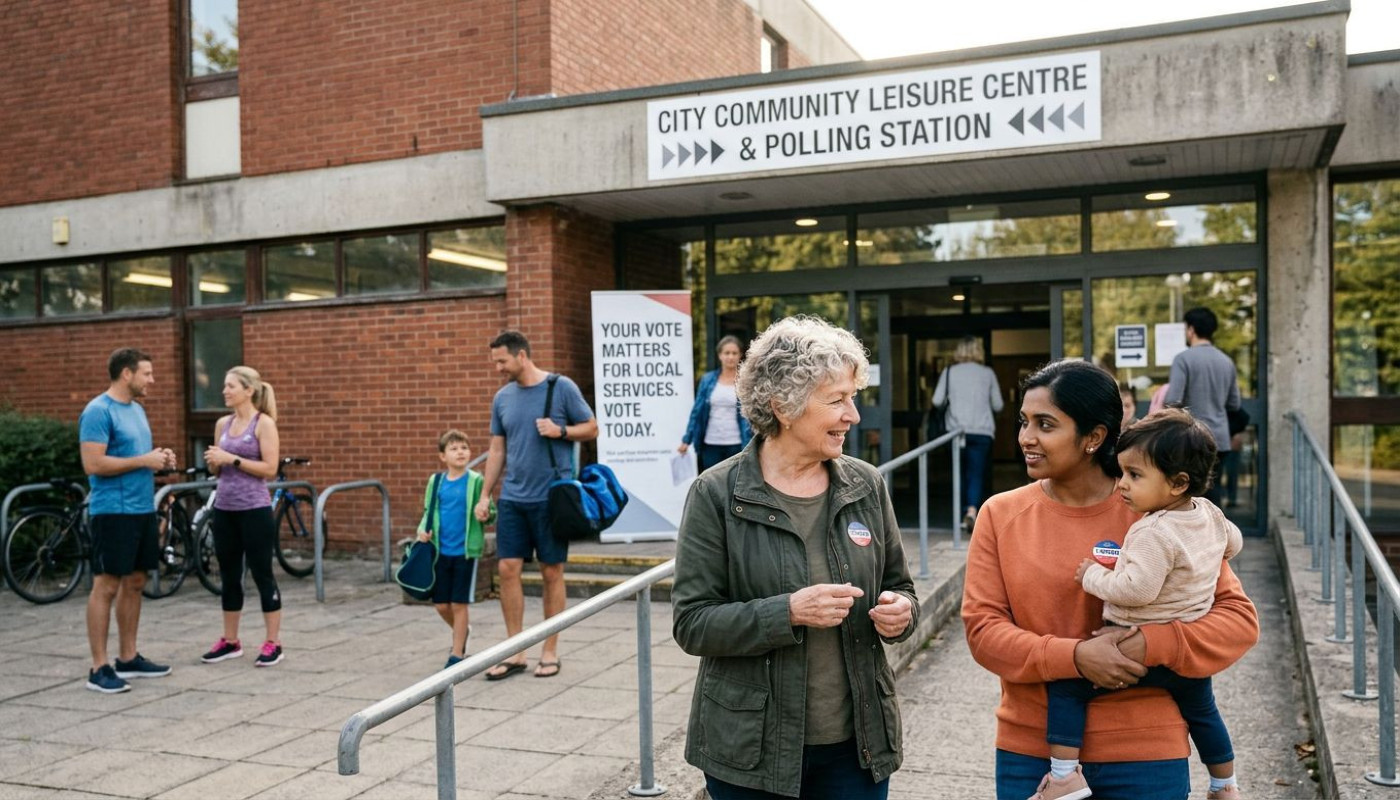
Local elections have a significant impact on the way leisure facilities operate and develop in your city. The choices made at the ballot box can directly affect everything from funding to the availability of new programs and services. Explore how voting in local elections can shape the future of your favourite sports centres, pools, and community spaces, and find out why staying informed is essential for every citizen interested in a vibrant, active city life.
Local budgets and leisure funding
The outcome of local elections determines how the city budget is allocated, directly influencing leisure funding for public facilities. Elected officials, through a comprehensive budgetary process, establish funding priorities based on their constituents’ needs and policy commitments. As the city’s chief financial officer, it is critical to outline how these priorities shape capital expenditure for the maintenance, renovation, and expansion of leisure centres and other recreational amenities. When new officials take office, they may shift funding priorities, which can result in increased or decreased investment in public facilities. These decisions impact the quality, accessibility, and long-term sustainability of leisure resources available to residents. Local elections thus serve as a pivotal moment when the direction of capital expenditure and, subsequently, leisure funding, is set for the coming years, making citizen engagement in the electoral process particularly impactful for the future of community leisure infrastructure.
Policy decisions shaping access
When a new local government takes office following an election, the election impact on public leisure can be substantial, as policy decisions enacted by representatives directly influence service provision for residents. Access policy is often at the core of these decisions; elected officials may choose to lower entry fees for facilities, making public leisure options more affordable and inclusive. In some regions, extended opening hours are introduced to cater to working families or shift workers, further enhancing access for a broader segment of the population. Service provision is also shaped by the introduction of community programs targeting specific demographics, such as youth swimming lessons, senior fitness initiatives, or accessible exercise sessions for people with disabilities. These policy shifts can significantly determine whether leisure facilities serve as vibrant community hubs or become underused due to financial or logistical barriers.
Local government priorities established after elections can also restrict or enhance how people engage with public leisure spaces. For example, if funding is reduced or redirected, facilities may face shorter operating hours or discontinued community programs, limiting the benefits residents can enjoy. Conversely, an administration focused on social inclusion may prioritize investment in maintenance, staff training, and targeted outreach through access policy improvements, ensuring service provision meets diverse community needs. The director of public services plays a pivotal role in implementing these strategies, ensuring that every policy choice—whether expanding discounted memberships or reallocating resources towards underserved neighborhoods—translates into meaningful, practical opportunities for participation and well-being.
Investment in new facilities
Local elections play a decisive role in shaping facility investment and the overall landscape of city infrastructure. Campaigns often highlight new leisure centre plans, with candidates promising projects such as upgraded sports complexes, new swimming pools, or expanded parks. These local election promises are not just campaign rhetoric; they frequently serve as the foundation for allocating public budgets and prioritizing urban development initiatives. The process typically begins with a feasibility study to assess practical, financial, and community impacts, ensuring that any proposed investment aligns with long-term city goals and available resources. Voters have a direct influence by supporting candidates whose manifestos reflect their preferences for modern, accessible leisure spaces, making election outcomes a key factor in determining which facilities will be realized in the years ahead.
Increased attention to facility investment is also driven by the growing need for accessible and inclusive public amenities. As urban development strategies evolve, integrating technology and sustainability into new leisure centre projects has become more common. For those interested in how innovative approaches such as artificial intelligence are making creative content and services more accessible for communities and local businesses, click to read more. The outcome of local elections can thus fundamentally alter the social and recreational landscape, affecting not just physical spaces but also the integration of digital solutions and community engagement within these environments.
Maintenance and upgrades explained
Decisions about facility maintenance and leisure upgrades are directly influenced by the priorities set by newly elected city council members. Their policy direction often determines which renovation projects receive funding and how public investment is allocated throughout the asset lifecycle of leisure centers, sports complexes, and community pools. For example, one council may emphasize energy-efficient solutions, such as LED lighting or improved HVAC systems, aiming to reduce long-term operational costs and environmental impact. Another may focus resources on updating gym equipment, enhancing accessibility, or expanding digital infrastructure to ensure facilities remain competitive and relevant for residents. The asset lifecycle approach helps guide these decisions, as it takes into account not only current maintenance needs but also long-term value and sustainability of each facility.
Community involvement and advocacy
Local elections present a unique platform for community involvement, allowing residents and organizations to actively participate in leisure advocacy efforts. By engaging in public consultation processes and attending community forums, stakeholders can ensure their voices are heard regarding the future of leisure facilities and programs. Stakeholder feedback gathered during these events provides policymakers with direct insight into the preferences and needs of the community. An increased voter turnout during local elections further demonstrates civic engagement and sends a clear message to elected officials about the level of public interest in maintaining or improving recreation infrastructure. These participatory actions shape the strategic direction of leisure amenities, influencing budget allocations and long-term planning decisions that directly affect quality of life in the city.
Similar articles
Relocation Revealed: Why City Culture Shocks Are More Than Just A Myth

Exploring The Role Of Stable Diffusion Models In Modern Visual Arts

Mastering the Art of B2B Content Marketing

Success Secrets of High-Performing B2B Companies

AI: The Game-Changer in B2B Sales

Revolutionizing Customer Experience in B2B Ecommerce
